Professional Learning Library
All of these books are available to staff in the workroom on C Floor.
Please feel free to borrow any of the titles below, but always sign them in and out using the record book in the workroom.
There is also space in the record book for you to leave any thoughts/hints to be shared with other staff.
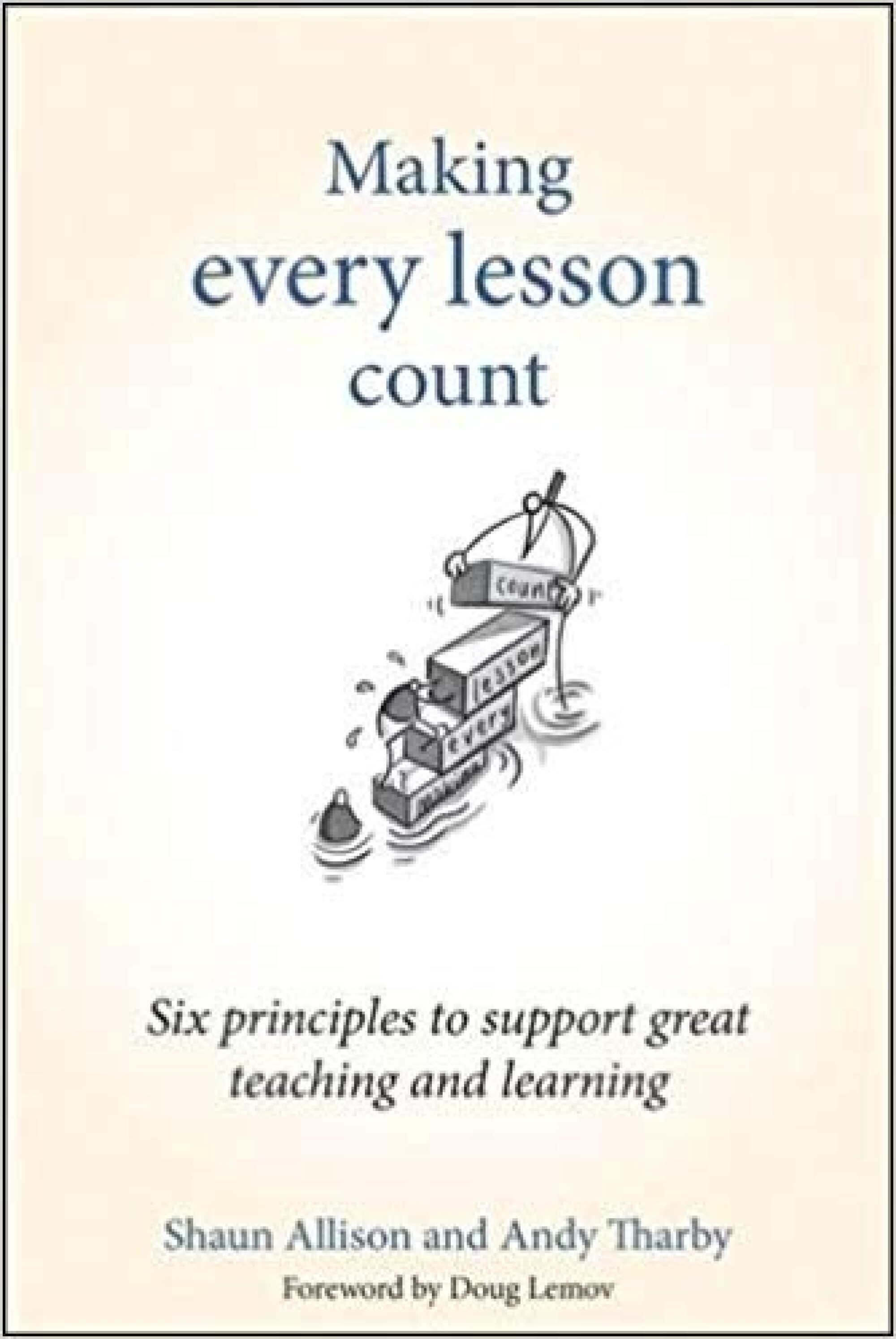
Making Every Lesson Count by Shaun Allison and Andy Tharby
This barnstormer of a book sets out six key principles to support great teaching and learning. Evidence-informed and written by practising teachers.
The principles in the book should be very familiar to Southfield staff as we have framed much of our professional learning around them. The book is broken down clearly into the six areas, with each laying out the research to support the principle and then providing practical ways to enact them in our classrooms.
There are also subject specific offshoots available in departments for English, Maths, Science, History, Geography and MFL.
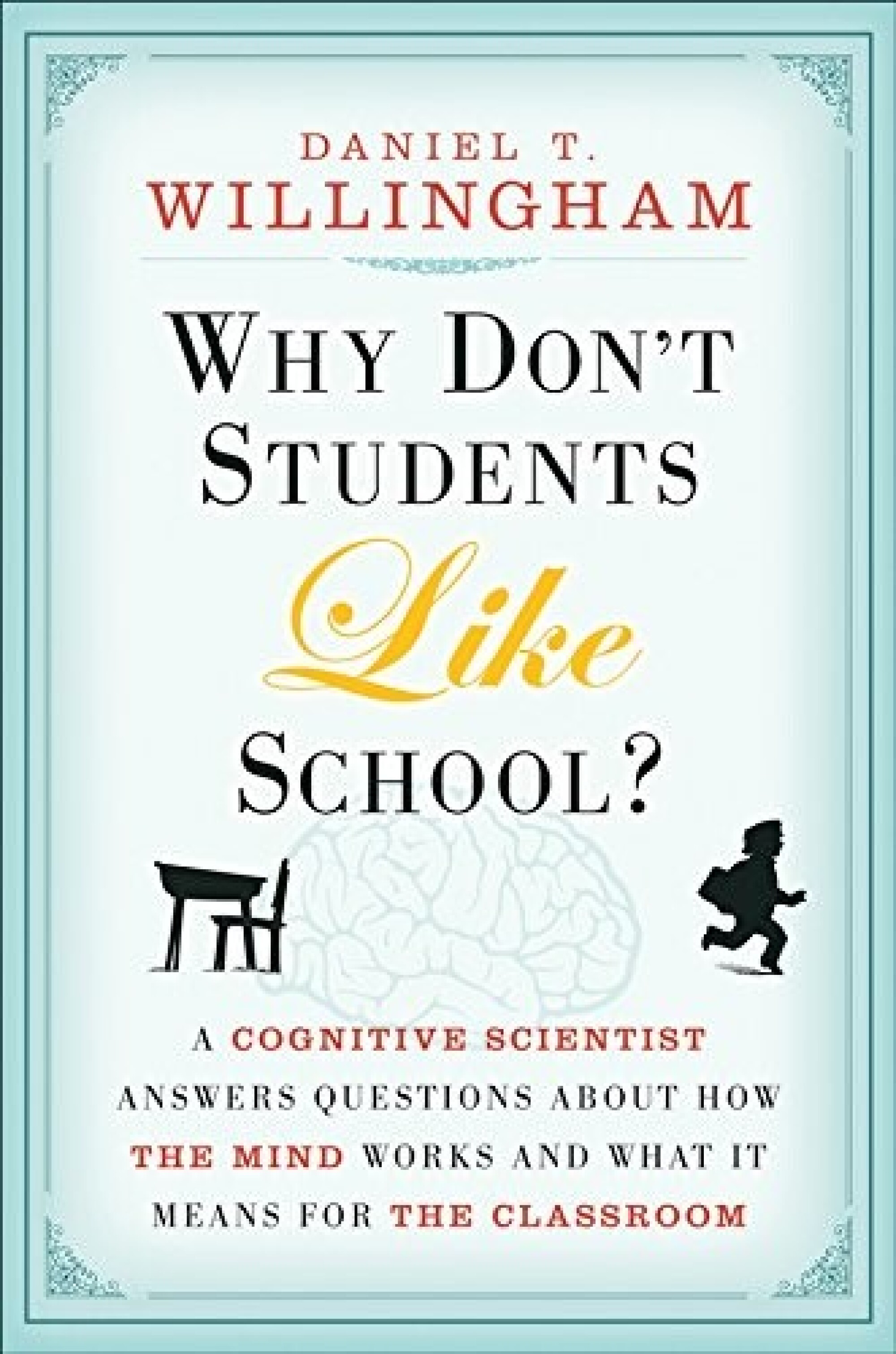
Why Don't Students Like School? by Daniel T. Willingham
In this widely regarded book, Willigham uses cognitive science to explain how the mind works and how our misconceptions can create problems for students in the classroom.
Willingham is professor of psychology at the University of Virginia, where he has taught since 1992. He writes the popular Ask the Cognitive Scientist column for American Educator magazine. In this ground-breaking book, he lays out the evidence that the only way to truly learn is to think.
The whole book is broken down into manageable chunks and always offers actionable steps for us to try in the classroom. "Memory is the residue of thought". If you take nothing else away from Willingham's work, then this is the one line that can transform your teaching. Essential reading.
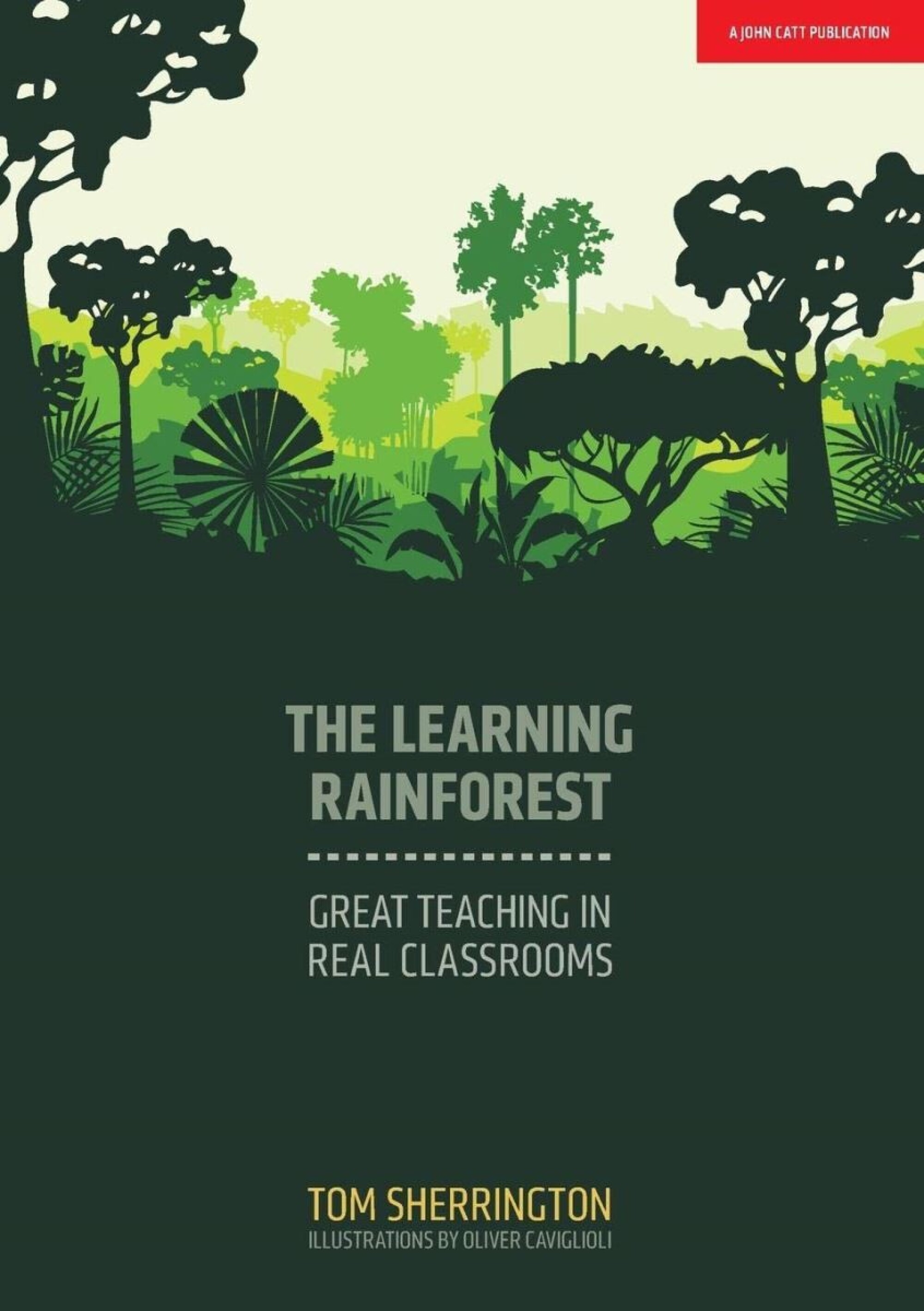
The Learning Rainforest by Tom Sherrington
This is the best selling education book of all time on Amazon, and for good reason. Tom Sherrington was a Science teacher, then Head during his 30 year career.
The Learning Rainforest analogy is a stroke of genius in its simplicity, yet the depth and quality of the advice that is weaved around it by Sherrington is astounding. It is a readable and practical guide to everything from the nuances of curriculum and assessment, to how we can really challenge our students.
The three-part structure provides a framework for thinking about great teaching; establishing the conditions. building the knowledge structure and exploring the possibilities. It is a book that you can frequently return to and rely on to provide excellent 'real world' strategies on all aspects of teaching and learning. A must read.
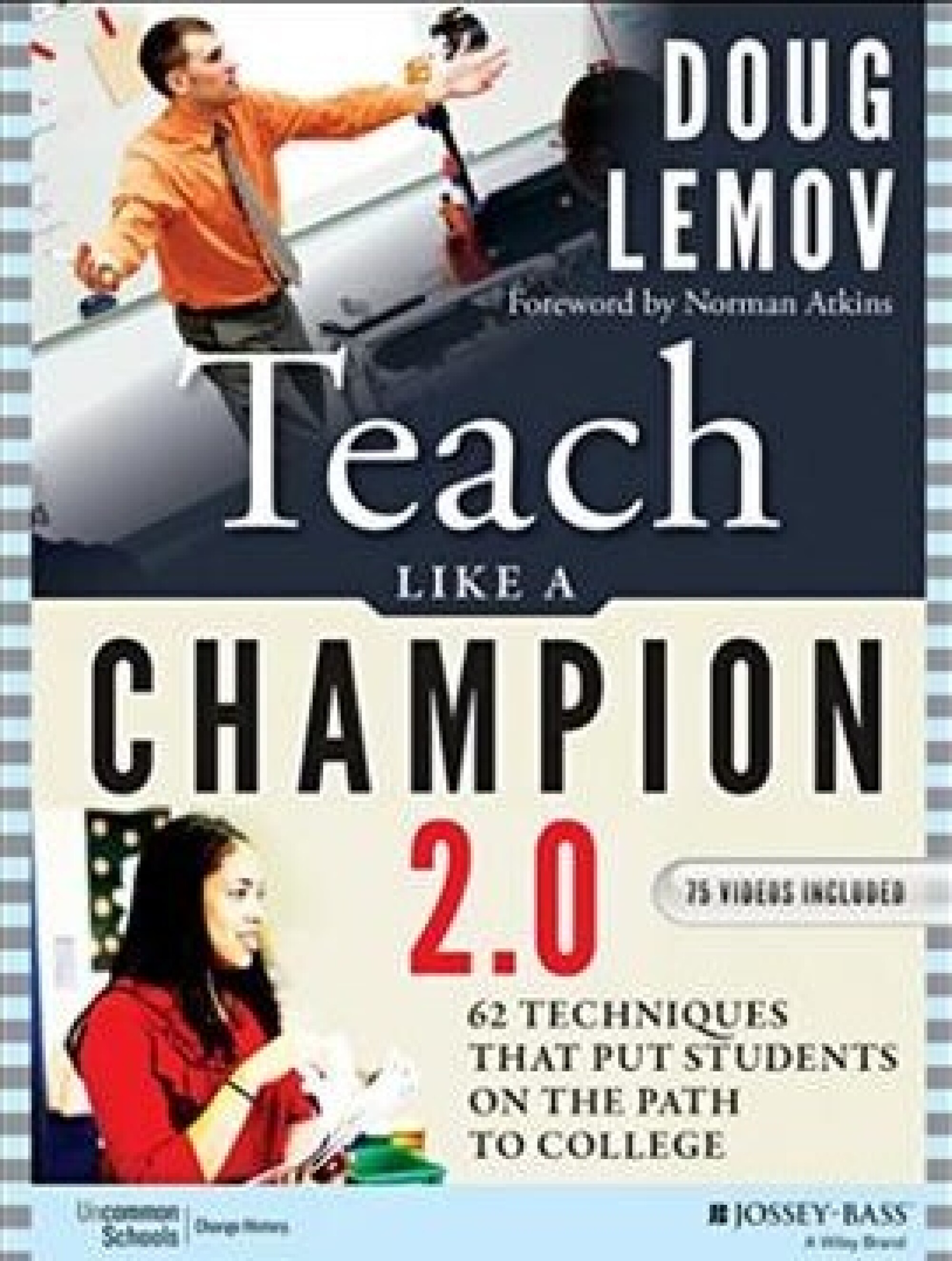
Teach Like a Champion 2.0 by Doug Lemov
This second edition of the classic text updates previous ideas (based on real world experiences) and adds new techniques to the TLAC toolkit.
Doug Lemov is an American educator and teacher trainer who has developed the 62 techniques found in TLAC 2.0 (including SLANT) over the last decade or so.
The main focus of the book is giving teachers practical tools to ensure rigour in their classrooms. The key areas range from classroom routines, writing, oracy and teacher questions. Highly practical, every technique is clearly explained and modelled for instant use in our classrooms.
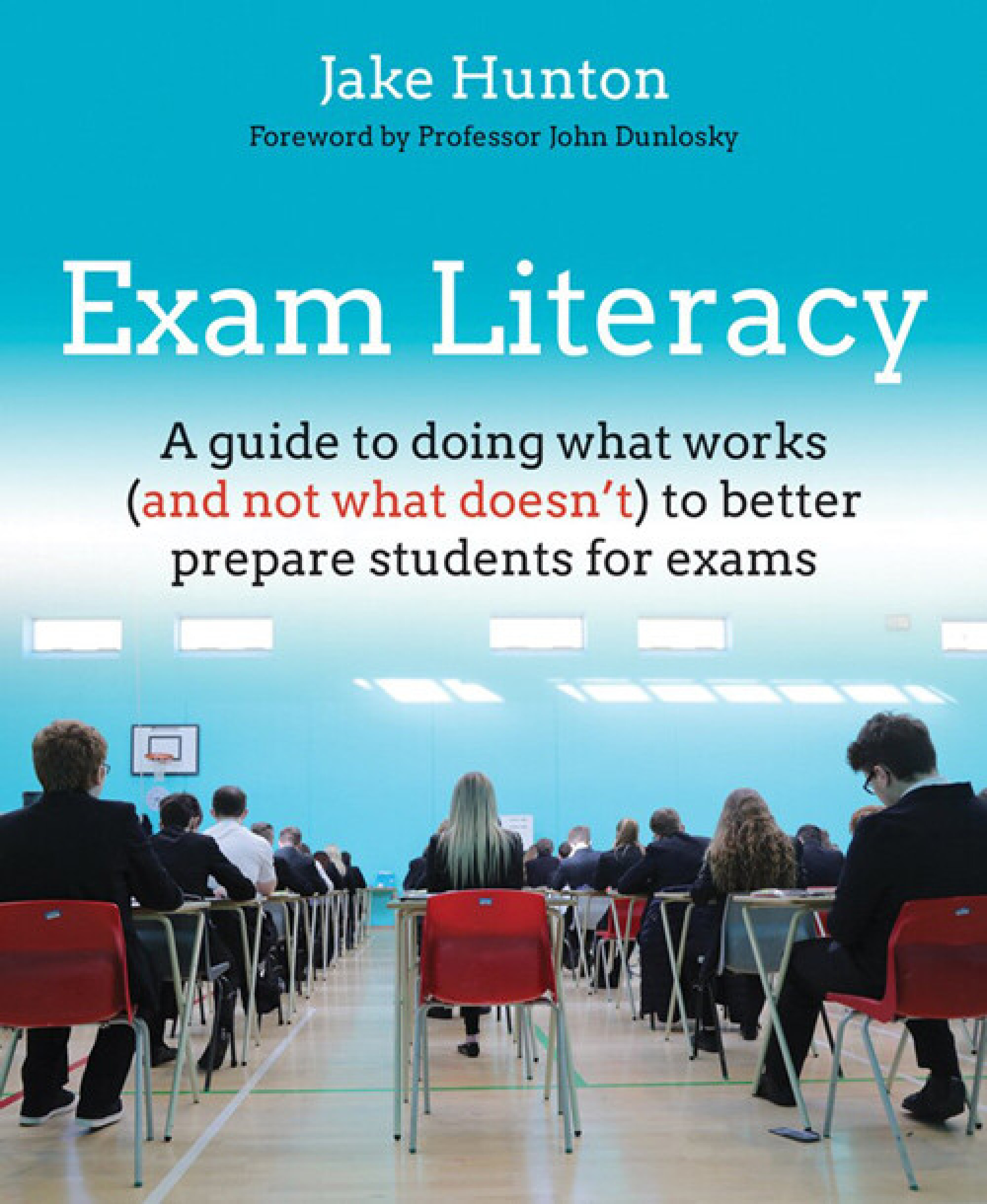
Exam Literacy by Jake Hunton
Hunton is a Languages teacher by trade, but this practical guide makes sure it pulls examples from across the curriculum.
Exam Literacy has a somewhat misleading title, as it doesn't squarely focus on 'how to pass exams' in a tradititonal sense. Hunton draws on cognitive science and recent research to lay out techniques that should be used from Year 7.
Although many of us are now familar with the benefits of principles contained in the book such as retrieval, interleaved and spaced practice, this book gives some great 'real world' examples. Even the most experienced of us will take something useable away from Hunton's accessible work.
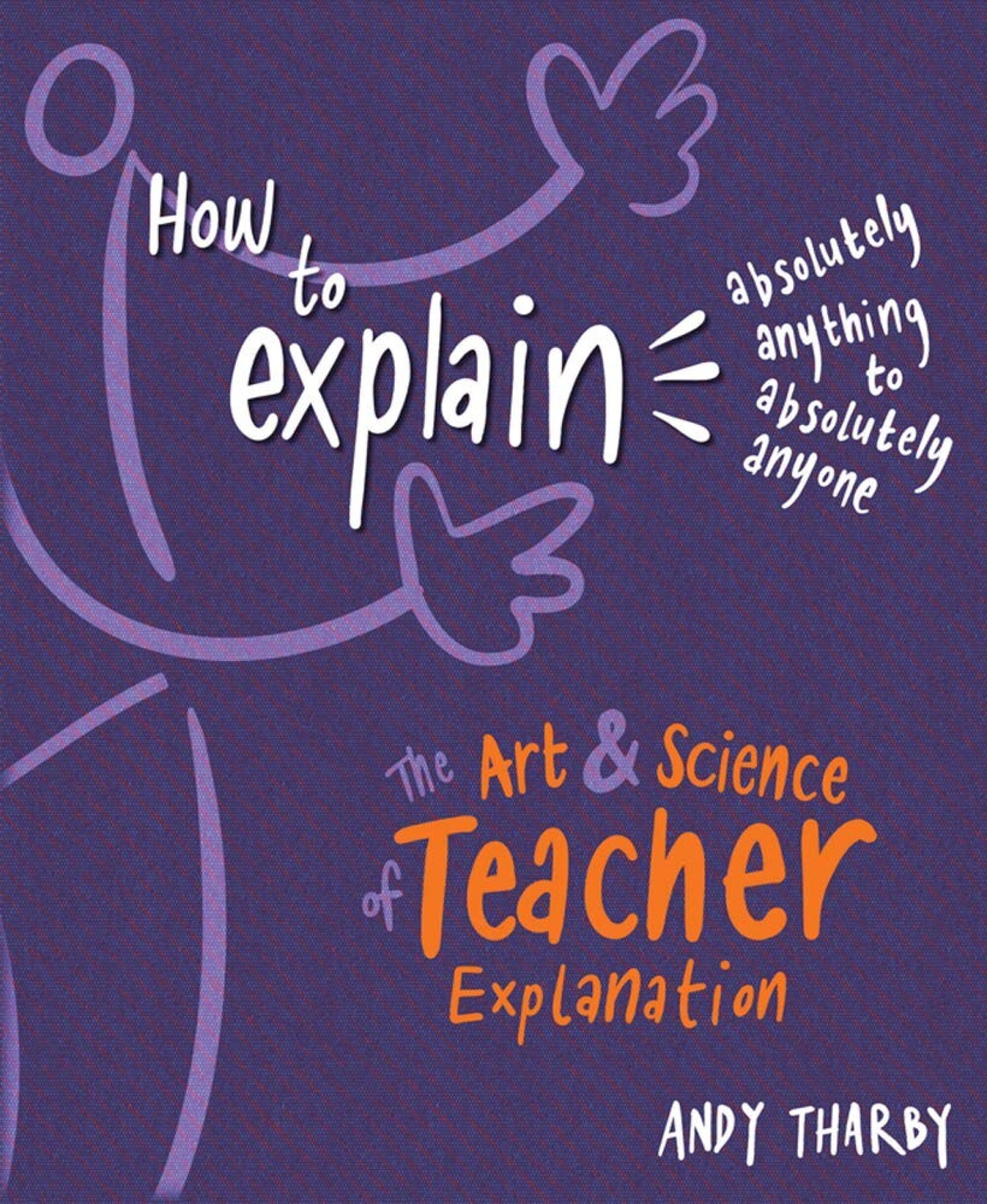
How to Explain Anything to Absolutely Anyone... by Andy Tharby
'How to explain...' proposes that whilst explanation is somewhat of an 'art', there is much we can utilise from the science of learning to help us improve.
Rooted in research, Tharby’s captivating and persuasive arguments are bolstered by his practical experience and carefully considered reflections as he explores the importance of subject knowledge and debates the key principles underpinning effective explanations. He then goes on to outline practical tips and guidance, helpfully punctuated with specific examples, for mastering the art yourself.
The book cleverly presents its ideas by using the very strategies it suggests, helping us to understand the significance of clear and compelling explanation. This book is of great value to teachers of any subject.
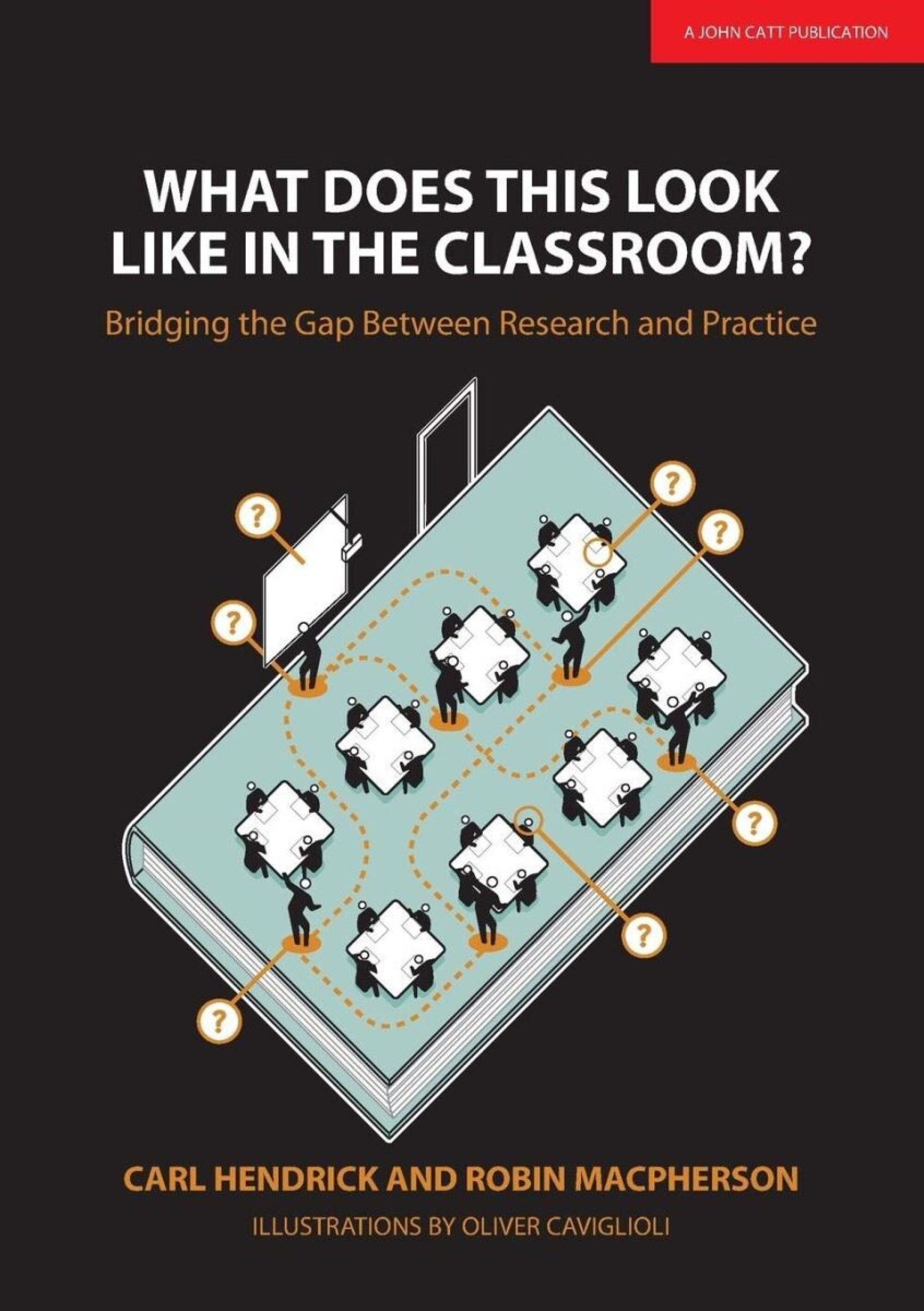
What Does This Look Like In The Classroom?
Carl Hendrick and Robin Macpherson
Understanding How We Learn
Megan Sumeracki, Yana Weinstein & Oliver Caviglioli
Mark. Plan. Teach
Ross Morrson McGill
Responsive Teaching
Harry Fletcher-Wood
What If Everything You Knew About Education Was Wrong?
David Didau
The Writing Revolution
Judith C. Hochman & Natalie Wexler
Memorable Teaching
Peps McCrea
Slow Teaching
Jamie Thom
Retrieval Practice
Kate Jones
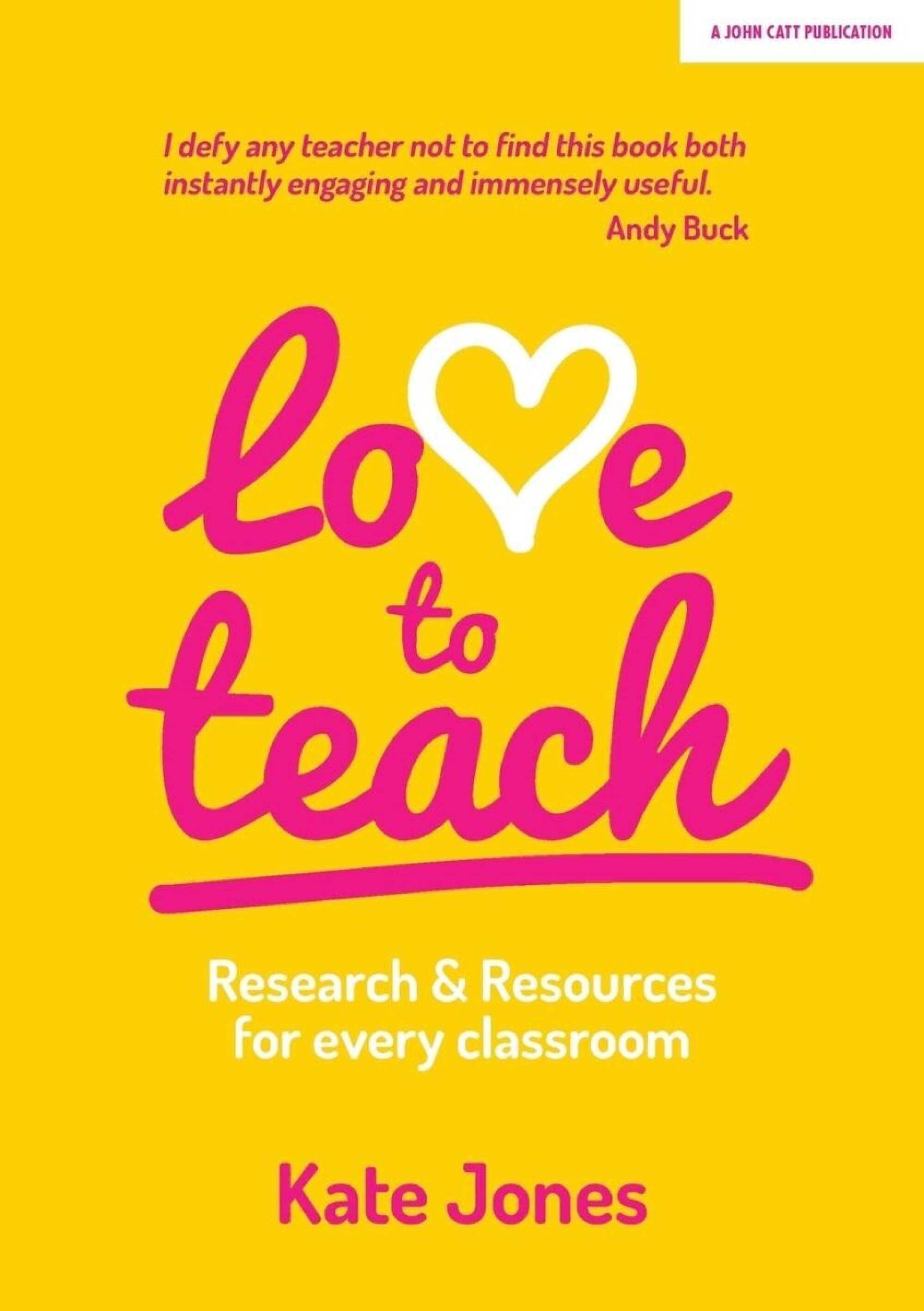
Love To Teach
Kate Jones
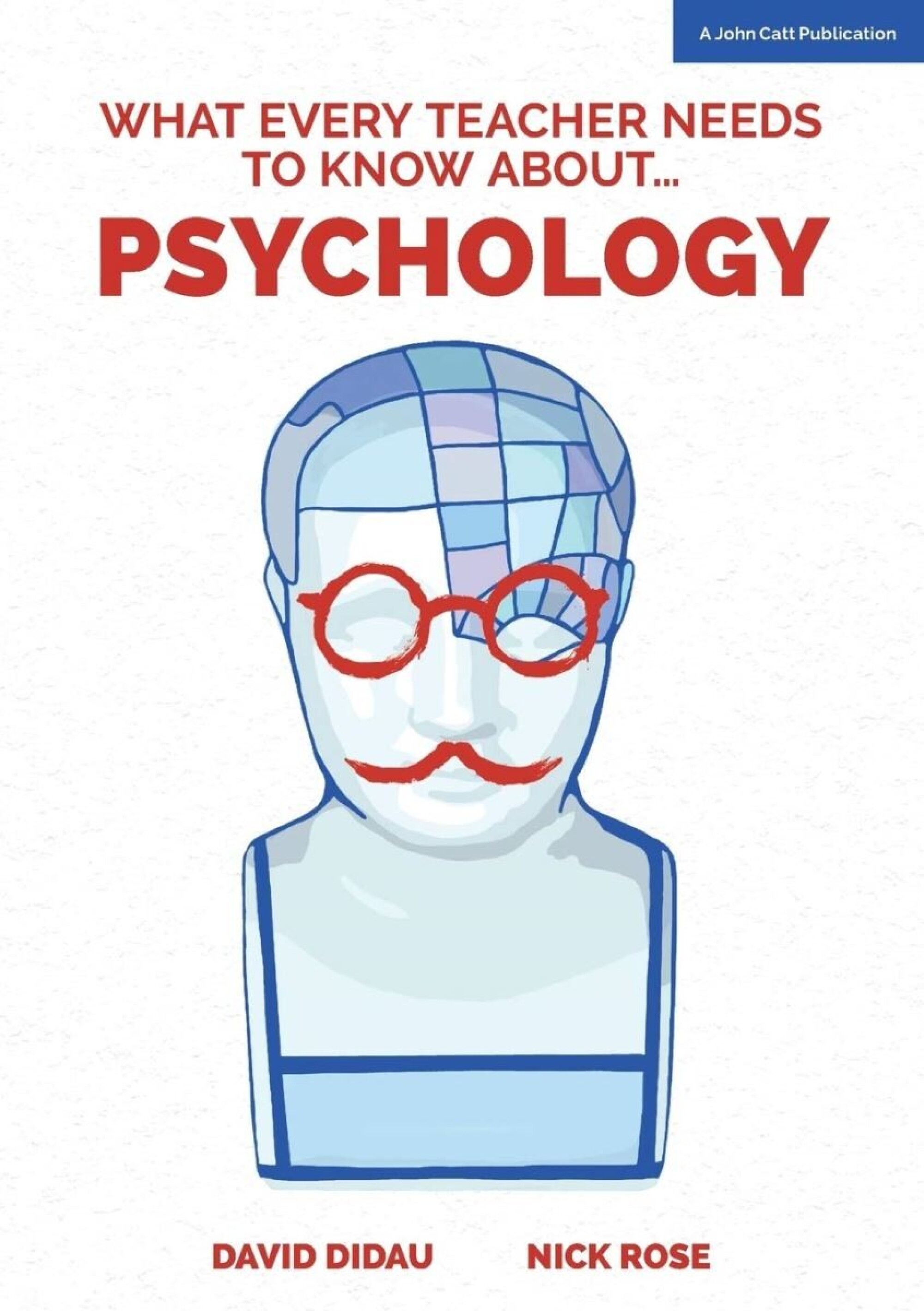
What Every Teacher Needs to Know About Psychology
David Didau and Nick Rose
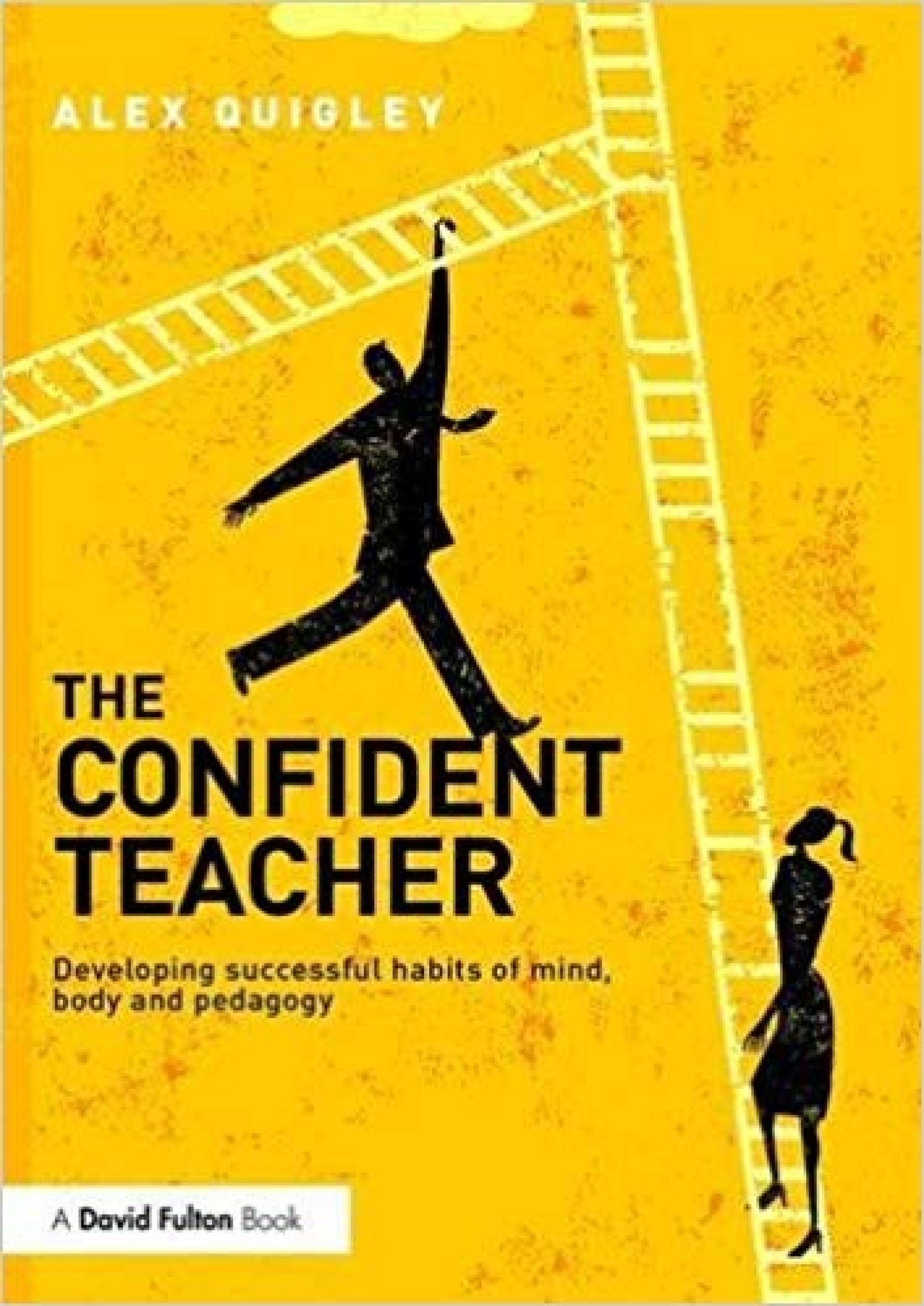
The Confident Teacher
Alex Quigley
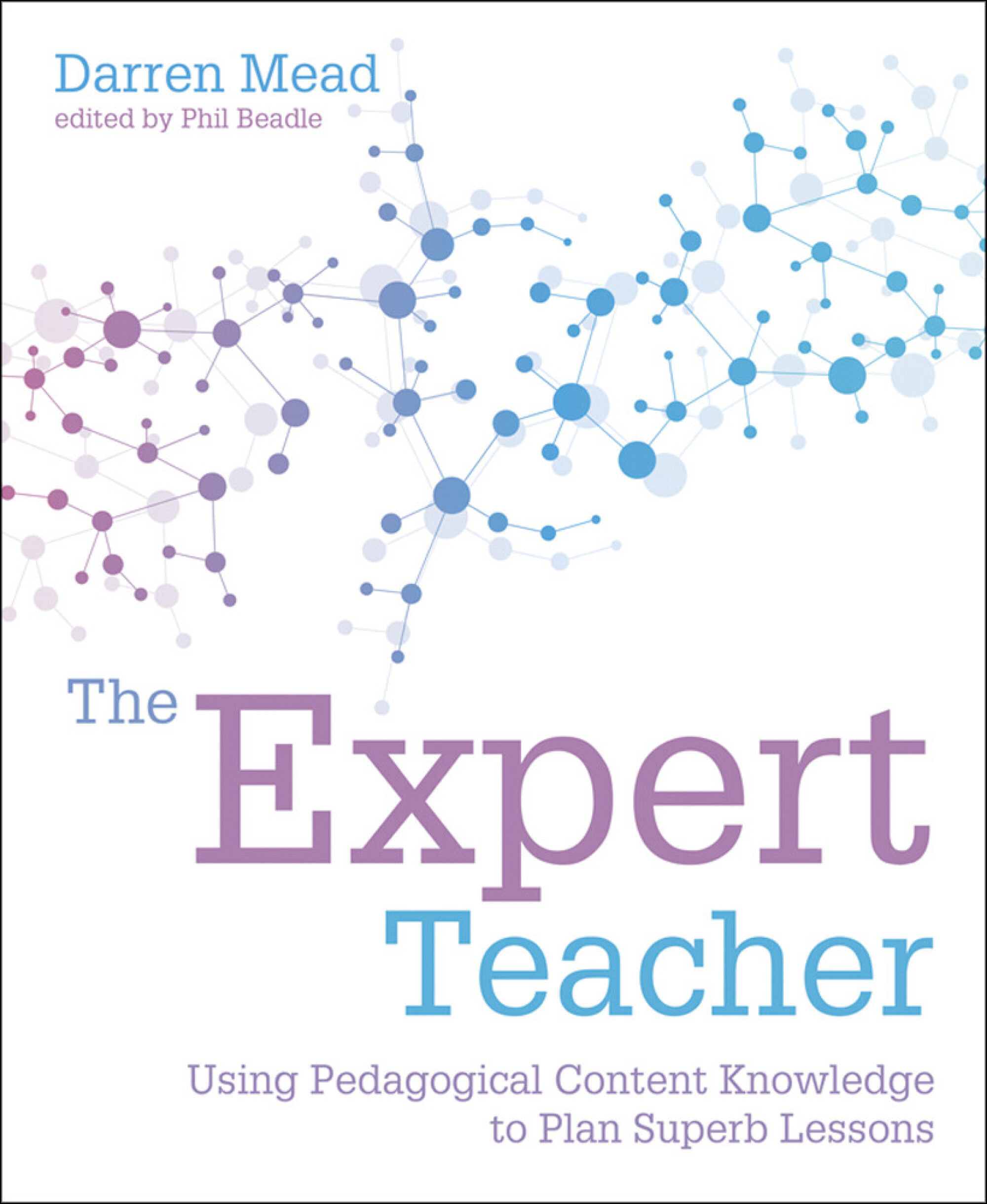
The Expert Teacher
Darren Mead
Rosenshine's Principles in Action
Tom Sherrington
Making Good Progress?
Daisy Christodoulou
100 Ideas: Engaging Learners
Jon Tait
Dual Coding With Teachers
Oliver Caviglioli
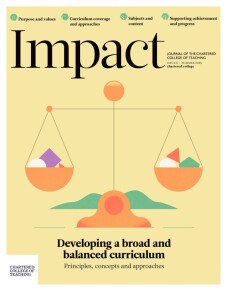
Impact, the termly journal of the Chartered College, connects research findings to classroom practice, with a focus on the interests and voices of teachers and educators. It supports the teaching community by promoting discussion around evidence within the classroom, and enabling teachers to share and reflect on their own use of research.
Each peer-reviewed issue is themed around a critical topic for practitioners with a guest editor who is a specialist in the field. Issues feature a wide range of original research articles and expert perspectives from teachers, school leaders and academics. Impact is produced in print and available online with additional features for members only.